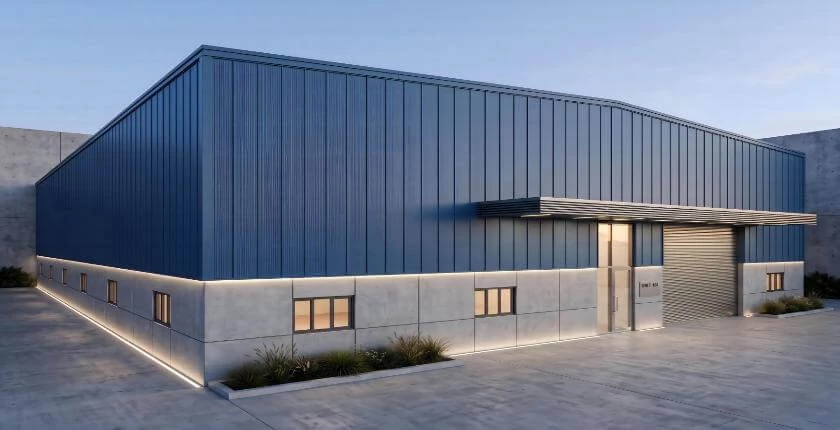
Industrial Cladding in Glasgow
Get in TouchAt Cladline, we offer comprehensive industrial cladding services in Glasgow, tailored to meet the specific requirements of industrial and commercial buildings.
Our solutions are designed to enhance both the aesthetics and function of your property's facade, whether for new builds, refurbishments or repairs.
We use a range of materials including steel, aluminium, and composites, each selected for its durability and suitability for the industrial environment.
Covering Glasgow and the surrounding G20 0 postcode area, our expert team is ready to assist with all your cladding needs.
Contact us today to discuss your project requirements.
How Much Does Industrial Cladding Cost in Glasgow?
Industrial cladding typically costs between £50 and £150 per square metre in Glasgow. The price depends on the materials chosen, the complexity of the installation, and the building height.
Steel cladding is often more cost-effective, whereas composite panels might carry a higher initial investment but offer superior insulation properties. Aluminium cladding, known for its durability and lightweight nature, can be an ideal option for taller buildings. Find out more about our aluminium cladding services.
The design specifications such as colour coating, thickness, and finish type can also impact the overall cost. Additional factors influencing cost include the need for scaffolding and the condition of the existing structure.
For projects involving fire-resistant requirements, cladding systems with fire ratings such as A1 or A2 can increase costs.
Contact us today to arrange a personalised quotation.
What Types of Industrial Cladding Are Available in Glasgow?
We offer various types of industrial cladding in Glasgow to suit different needs, providing both functional and aesthetic benefits for various structures:
Steel Cladding: Known for its strength and longevity, steel cladding is perfect for robust building protection. It is available in galvanised, stainless, and weathering varieties, each offering different levels of resistance to climatic conditions and industrial wear.
Aluminium Cladding: Lightweight and corrosion-resistant, aluminium cladding is perfect for aesthetic facades. It can be anodised or powder-coated to provide a coloured finish that enhances building design while resisting environmental damage.
Composite Panels: These panels provide excellent insulation and a sleek, modern appearance. They are composed of materials like fibreglass or polymer core sandwiched between metal sheets, offering good acoustic and thermal insulation properties.
Insulated Panels: These panels combine insulation with a durable exterior to enhance energy efficiency. They often contain materials like polyurethane foam, which helps maintain indoor temperatures, reducing energy costs.
With each type offering distinct advantages, our team can help you choose the most suitable option for your building's requirements based on factors like thermal performance, design, and budget. For projects requiring additional insulation, you can also consider our cladding installation services.
Which Type of Industrial Cladding Is Best?
Choosing the right type of cladding depends on several factors including budget, aesthetic preference, and insulation needs. Steel cladding, often galvanised or corrugated, offers durability and a traditional appearance.
It is ideal for warehouses and factories where robustness is key. Aluminium is excellent for contemporary designs due to its lightweight nature and resistance to rust, making it suitable for high-moisture environments such as coastal facilities.
Composite panels, typically made of materials like ACM (Aluminium Composite Material) or fibre cement, are a premium choice for their superior thermal insulation capabilities and sleek look, often used in modern commercial buildings.
Additionally, examining fire resistance and weatherproofing standards, such as those set by the Building Regulations and EN 13501, is crucial in your decision. Consider other options like timber cladding, which offers a natural aesthetic, or PVC cladding, known for low maintenance and versatility. Our rainscreen cladding solutions may also be suitable for projects requiring an external protective facade system.
Contact us to help determine the best solution for your project.
How Long Does Industrial Cladding Take to Install?
The installation of industrial cladding typically takes between two and eight weeks, depending on the project's scale and complexity. For instance, in projects involving cladding over extensive surfaces or high-rise structures, the process can extend towards the upper end of this range.
Factors such as the need for scaffolding and the choice of materials, like aluminium panels or composite cladding, play a pivotal role in determining the timeframe. Weather conditions, particularly in rainy or windy seasons, can further affect progress and safety considerations.
Our installation methods include precision cutting and secure fastening, ensuring that all cladding is fitted correctly to meet relevant British standards like BS 5427 for profiled sheet cladding. To mitigate delays, we maintain robust supplier relationships to manage material availability efficiently.
Our team works diligently to minimise disruption and complete the project within the agreed period, ensuring that disruptions to business operations are kept to a minimum.
How Long Does Industrial Cladding Last?
High-quality industrial cladding can last between 20 to 50 years, depending on the materials used and environmental conditions. Common materials include steel, aluminium, and composite panels, each offering distinct benefits.
For instance, aluminium cladding is lightweight and resists rust, while steel cladding provides enhanced strength and fire resistance. Regular maintenance, such as periodic inspections and cleaning, can extend the lifespan, ensuring the cladding remains both attractive and structurally sound.
Adherence to maintenance schedules helps in identifying issues like loose panels or corroded sections before they escalate. Exposure to harsh weather, such as wind and rain, can reduce longevity, so materials resistant to corrosion and UV light are preferred for long-term durability.
Using coatings or finishes that conform to standards like ISO 12944 for corrosion protection can further enhance the cladding's performance. If existing panels become damaged, our cladding repair services can help address the affected areas.
What Are the Benefits of Industrial Cladding in Glasgow?
Industrial cladding provides multiple benefits for buildings in Glasgow: it is designed to meet specific thermal and acoustic performance standards, providing a vital layer of protection and efficiency.
Improved Insulation: Reduces energy costs by minimising heat loss. We often use materials such as aluminium and composite panels, which are engineered to provide excellent thermal resistance.
Weather Protection: Shields against harsh weather conditions, including rain, snow, and UV radiation, extending the building's lifespan by preventing water ingress and thermal bridging.
Enhanced Appearance: Modernises and improves the building's visual appeal. With a variety of finishes available, such as metallic and textured surfaces, cladding can significantly update and customise the exterior look.
Durability: Offers long-lasting protection with minimal maintenance requirements. Cladding systems are typically tested to withstand wind loads and environmental stressors, ensuring structural integrity over time.
Contact us to learn more about how cladding can benefit your property.
Why Choose Cladline for Industrial Cladding in Glasgow?
At Cladline, we pride ourselves on delivering industrial cladding solutions throughout Glasgow that meet a range of functional and aesthetic requirements. Our experienced team expertly handles projects of all sizes, employing materials such as aluminium composite panels and zinc cladding recognised for their durability and weather resistance.
We use techniques like precision metal folding and digital laser cutting to ensure precise fits and finishes.
Our approach includes adhering to industry standards like ISO 9001 for quality management, giving clients confidence in our processes. We serve sectors from manufacturing to logistics, addressing issues such as thermal efficiency and noise reduction.
Typically, our projects can be completed within two to three weeks, depending on the scale and complexity. Our combination of technical expertise and commitment to customer satisfaction makes us a reliable choice for businesses aiming to enhance their properties’ functionality and aesthetics.
Call us today to discuss your cladding project.
Frequently Asked Questions
How do I maintain industrial cladding?
Regular inspections and cleaning are essential for maintaining industrial cladding. Check for any signs of damage or corrosion and address issues promptly.
Washing the cladding with water and a mild detergent can keep it looking new.
Do I need planning permission for industrial cladding?
Planning permission may be required depending on the extent of the cladding work and the location of your building. It is advisable to consult with local authorities or a planning consultant to ensure compliance.
Is industrial cladding suitable for all climates?
Yes, industrial cladding materials are designed to withstand various climate conditions, offering excellent insulation and protection from weather extremes.
Can I replace my existing cladding with a new one?
Yes, we can replace existing cladding with new, more efficient solutions. Our team will assess your current setup and recommend the best upgrade options. You can also find out more about our cladding replacement services.
Get a Free Quote for Industrial Cladding in Glasgow
Enhance your property's facade with Cladline's expert industrial cladding services in Glasgow. Get a Free Quote today.
We cover Glasgow